Find your MP
Enter your postcode to open your MP's name and constituency address on Parliament's own directory.
Opens Parliament's own MP search in a new tab — members.parliament.uk.
How to address a letter to your MP
A letter to your MP does not need to be formal in tone, but it does help to follow the shape MPs and their staff expect — it gets your letter read and answered faster.
Find your MP and their address
Use the postcode search above to find your MP's name on Parliament's own directory, then address your letter to the House of Commons — or your MP's constituency office, also listed there:
Name of MP MP
House of Commons
London
SW1A 0AA
How to open and close the letter
Open with "Dear [Title/Name]" — for example "Dear Ms Smith" or, less formally, "Dear Jane Smith MP". If you do not know the MP's name, "Dear Sir or Madam" is acceptable, though looking up your MP by postcode takes moments and reads better.
Close with "Yours sincerely" when you have addressed the MP by name, and your own name, address and postcode underneath — MPs generally only act on letters from their own constituents, so your address confirms you qualify.
What to put in the body
State the issue and what you want your MP to do in the first paragraph — raise it in the Commons, write to a minister, or simply note your view. Keep it to one page where you can: a focused letter is more likely to get a considered reply than a long one covering several unrelated points.
Ready to write yours? Start writing in the editor — it saves your draft as you type and shows you exactly how the printed page will look before you send it.
Write to your MP in three steps
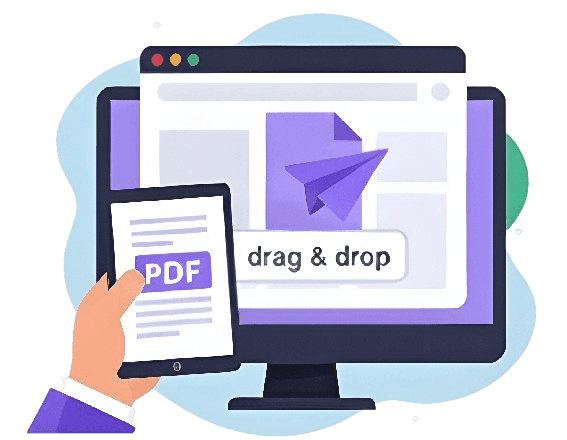
Type it straight in the browser — no account needed, and your draft saves as you go.
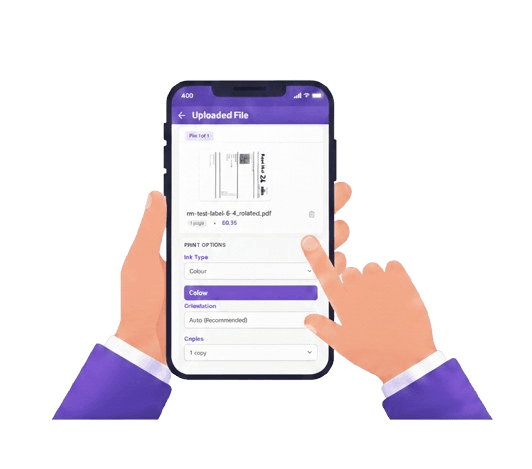
See the exact page that will be printed before you order — not an approximation of it.
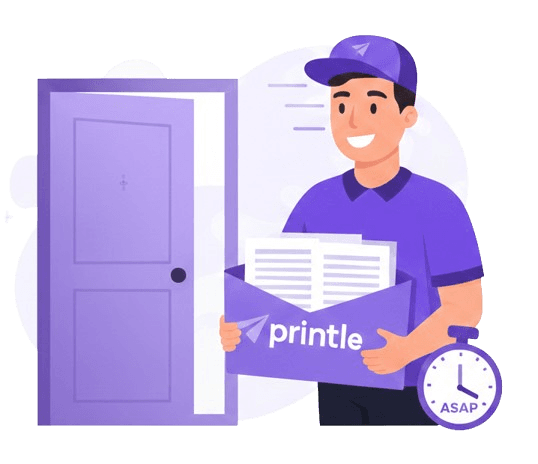
Sent flat in a hardbacked envelope, never folded, dispatched the same day before 2pm.
A posted letter
still gets noticed.
MPs and their caseworkers receive hundreds of emails a week. A posted letter takes longer to write and is harder to ignore — many caseworkers log and prioritise post separately from an inbox.
Order before 2pm on a working day and it is dispatched that day.
Packed in a hardbacked envelope so it arrives in the condition you wrote it.
Begin typing as a guest; sign in only when you are ready to order.
Including the House of Commons and any constituency office.
Writing to your MP,
answered
Common questions about contacting your MP by letter.
01How do I find out who my MP is?
Use the "Find your MP" postcode search on this page, or enter your postcode directly on parliament.uk. Either shows your current MP, their party, and the address to write to them.
02Will my MP actually read a letter I send?
MPs have a duty to represent their constituents, and most offices log and respond to every piece of constituent correspondence, including letters. A caseworker typically reads and triages post on the MP's behalf, with the MP seeing anything that needs their personal attention.
03Is it better to write a letter or send an email to my MP?
Either reaches your MP's office, but a posted letter is generally harder to overlook than an email in a busy inbox, and some offices treat letters as a stronger signal of how strongly a constituent feels about an issue.
04Do I need to be the MP's constituent for them to respond?
MPs generally only take up casework for their own constituents, which is why it matters to include your home address and postcode in the letter — it is how the office confirms you qualify.
05How do I address an MP in a letter?
Open with "Dear [Title/Surname]", for example "Dear Ms Smith", and close with "Yours sincerely" followed by your name, address and postcode. If you do not know your MP's name, look them up by postcode first — it takes moments and reads better than "Dear Sir or Madam".
06What address do I send a letter to my MP?
Most MPs can be written to at the House of Commons: [MP's name] MP, House of Commons, London, SW1A 0AA. Many also have a constituency office address, listed on their own page on parliament.uk.
07How long should a letter to my MP be?
One page is usually enough. State the issue and what you want your MP to do in the first paragraph, then give supporting detail — a focused letter is more likely to get a considered reply than a long one covering several points.
08How much does it cost to write and post a letter through printle?
Printing is priced per page, with black & white the cheapest option and the exact price shown before you pay. There is no separate fee for using the editor itself.